

Table of Contents
Introduction
In modern manufacturing, precision is paramount, and carbide end mills are the essential tools for achieving this accuracy. These cutting tools are widely used across multiple industries-including aerospace, automotive manufacturing, medical devices, and mold making-for machining complex parts made from cemented carbide.
This article will delve into the applications of carbide end mills, focusing on their critical roles across various industries, the different types available, and how to select the appropriate tool based on specific requirements.

What Are Alloy Milling Cutters?
Alloy milling cutters are tools designed to machine tough alloys that are hard to process using standard cutting tools. They are available in various materials, such as carbide and HSS (High-Speed Steel), each suited for different applications and cutting conditions.
- Carbide milling cutters are made from tungsten carbide, known for its hardness, durability, and heat resistance. These cutters are ideal for high-speed cutting and for use with tough, abrasive materials such as titanium and stainless steel.
- HSS cutters, on the other hand, are made from a combination of iron, carbon, and other elements. While not as hard as carbide, HSS cutters are more flexible and can withstand higher temperatures. They are typically used for softer materials and general-purpose milling operations.
The choice between carbide and HSS depends on factors such as the material being cut, cutting speed, tool life, and cost considerations.
Application of Alloy Milling Cutters
Aerospace Industry
The aerospace industry requires exceptionally precise and reliable parts, often made from titanium alloys, nickel-based superalloys, and high-strength steels. These materials are incredibly tough, requiring specialized milling tools that can handle their hardness and abrasiveness without compromising the quality of the finished part.
Alloy milling cutters, particularly carbide cutters, are frequently used to machine components like turbine blades, engine parts, airframe components, and landing gear parts. The high cutting speeds and precision required for these components demand the wear-resistant qualities of carbide.
Additionally, the aerospace industry relies on coated carbide cutters, which offer enhanced performance by reducing friction, increasing tool life, and improving surface finishes.
Automotive Manufacturing
The automotive sector involves the machining of a wide range of materials, such as aluminum, cast iron, steel, and high-strength alloys. Alloy milling cutters are used to produce parts like engine blocks, pistons, brake components, and transmission parts.
Carbide milling cutters are ideal for high-speed machining of aluminum alloys and steel due to their hardness and heat resistance. For less demanding applications, such as aluminum machining, HSS cutters are often preferred because they offer a more cost-effective solution without compromising quality.
Moreover, multi-flute carbide cutters are increasingly used for finishing operations in automotive manufacturing to achieve superior surface finishes, especially on complex geometries.
Medical Equipment Manufacturing
The medical device industry involves the precision machining of materials like titanium, stainless steel, Cobalt-Chromium alloys, and biocompatible materials. These materials require milling tools capable of achieving tight tolerances and producing smooth surfaces to ensure the functionality and safety of implants and surgical instruments.
Carbide milling cutters are preferred for machining titanium and other difficult-to-cut materials in medical applications. Their high wear resistance and ability to maintain sharp edges make them ideal for creating complex medical components, such as joint replacements, surgical tools, and dental implants.
Mold and Die Manufacturing
Mold and die manufacturing requires precise and efficient machining of materials like tool steels, high-carbon alloys, and alloy steels. These materials are tough, and their machining often involves the removal of significant amounts of material, which requires cutting tools with high wear resistance.
Carbide milling cutters are widely used for roughing and finishing operations in mold and die manufacturing. Carbide tools allow manufacturers to remove large amounts of material at high speeds while maintaining precision and extending tool life. Additionally, coated carbide milling cutters provide superior wear resistance and improved surface finishes, which is essential for creating molds with tight tolerances and high-quality surfaces.
Energy Industry (Oil & Gas)
The energy sector, particularly the oil and gas industry, requires the machining of highly abrasive and tough materials such as stainless steel, superalloys, and high-strength steels. Alloy milling cutters are critical for producing components like valves, pumps, turbines, and pressure vessels that can withstand extreme conditions.
Carbide milling cutters are often the best choice for these applications due to their superior strength, heat resistance, and wear resistance. The high cutting speeds achievable with carbide cutters make them ideal for roughing and finishing operations in the production of energy industry components.
How to Choose the Right Alloy Milling Cutter for Your Application
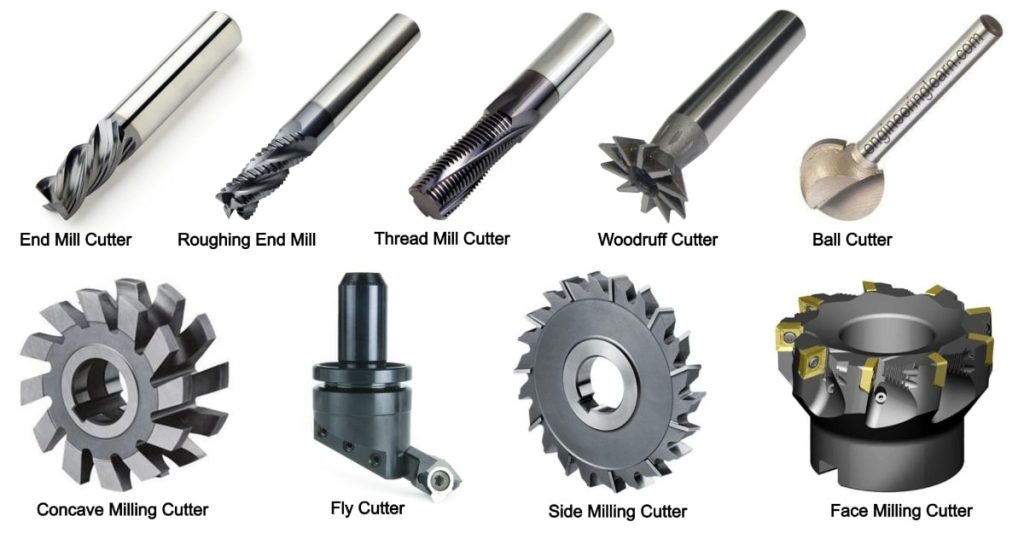
Selecting the right alloy milling cutter is a crucial step in ensuring the efficiency and success of your machining operations. Here are some key factors to consider when making your choice:
- Material Hardness: Harder materials like titanium and stainless steel require carbide cutters, as these can withstand the high cutting forces and temperatures generated during machining. For softer materials such as aluminum, HSS cutters may be sufficient.
- Cutting Speed: Carbide milling cutters perform better at higher cutting speeds, which can improve productivity and reduce machining time. When dealing with tough alloys, carbide allows for higher feed rates and increased cutting depths without compromising part quality.
- Tool Life: Carbide cutters generally offer longer tool life due to their hardness and wear resistance. In high-volume production environments, longer tool life can reduce downtime and increase overall efficiency.
- Cost Considerations: While carbide cutters are more expensive than HSS, their extended tool life and ability to handle high-speed cutting often make them more cost-effective in the long run, especially when machining tough alloys.
| Material Type | Recommended Cutter Material | Reason |
|---|---|---|
| Titanium | Carbide | High hardness and heat resistance |
| Stainless Steel | Carbide or HSS | Carbide for high-speed, HSS for general machining |
| Aluminum | HSS or Carbide | HSS for cost-effective operations, Carbide for high-speed cutting |
| Tool Steel | Carbide | High durability and precision are needed for mold and die work |
Conclusion
Alloy milling cutters are essential tools in modern manufacturing, helping industries such as aerospace, automotive, medical, and energy sectors achieve precision, efficiency, and high-quality results. By understanding the properties of carbide and HSS cutters and considering factors like material hardness, cutting speed, and tool life, you can make informed decisions to optimize your operations and reduce production costs.
Choosing the right alloy milling cutter for your specific needs is key to achieving the best possible performance and part quality. If you need assistance selecting the right milling cutter for your application, feel free to contact us. Our team of experts is ready to help you make the right choice and enhance your machining processes.
FAQ
What is the difference between carbide and HSS alloy milling cutters?
Carbide cutters are much harder and more wear-resistant than HSS cutters, making them ideal for machining tough, high-strength alloys. HSS cutters are more flexible and less expensive, suitable for softer materials and general-purpose applications.
Can carbide cutters be used for all alloy materials?
Yes, carbide cutters are versatile and can be used for both hard and soft alloys, although they are particularly effective for tough materials like titanium and stainless steel.
Which milling cutter is best for high-speed operations?
Carbide milling cutters are best for high-speed machining due to their excellent hardness, heat resistance, and wear resistance, which enable faster cutting speeds without compromising tool life.
Are carbide cutters always better than HSS cutters?
Not necessarily. While carbide cutters offer superior performance for high-speed and tough material machining, HSS cutters can be more cost-effective and suitable for less demanding applications.
Can HSS cutters be used for machining aluminum?
Yes, HSS cutters are commonly used for machining aluminum and other softer materials. They provide an economical solution for general-purpose milling tasks.


 English
  Russian
  German