

Table of Contents
Introduction
Machining stainless steel is one of the most challenging tasks in CNC machining due to its high strength, work hardening tendency, and poor thermal conductivity. Choosing the right carbide end mill for stainless steel is essential to achieve stable cutting performance, extended tool life, and high-quality surface finish.
This guide provides a comprehensive overview of carbide end mills designed for stainless steel, including geometry, coatings, cutting parameters, and best practices. Whether you are involved in industrial manufacturing, automotive components, or precision engineering, this article will help you optimize your machining process and reduce production costs.
Why Stainless Steel Is Difficult to Machine
Stainless steel presents several machining challenges that require specialized carbide end mills. Its tendency to work harden increases cutting resistance, while its low thermal conductivity causes heat to concentrate at the cutting edge. This leads to faster tool wear and potential tool failure if the wrong cutting tool is used.
Additionally, stainless steel generates long, stringy chips that can affect chip evacuation and surface finish. These factors make it essential to use the right carbide end mill with proper geometry and coating.
Benefits of Using Carbide End Mills for Stainless Steel
Carbide end mills are the preferred choice for machining stainless steel due to their superior hardness and heat resistance. Compared to high-speed steel tools, carbide offers higher cutting speeds, better wear resistance, and improved dimensional accuracy.
Using a carbide end mill for stainless steel provides consistent performance, reduces tool replacement frequency, and enhances machining efficiency. This ultimately lowers cost per part and increases productivity.
Key Features of Carbide End Mills for Stainless Steel
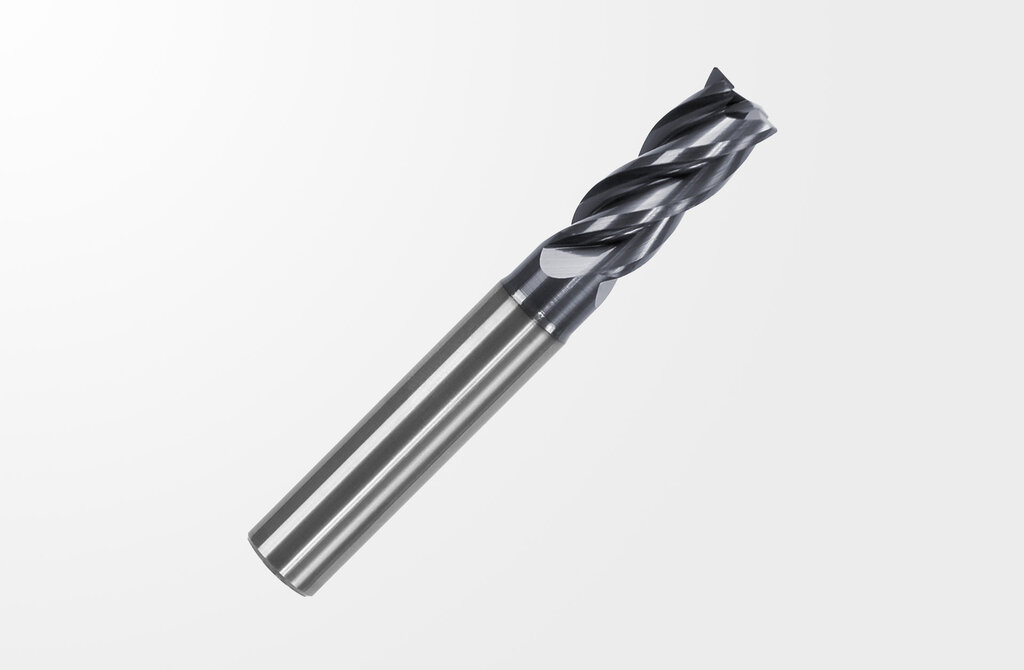
Optimized Geometry
Carbide end mills designed for stainless steel typically feature variable helix angles and specialized edge preparation. These designs reduce vibration, improve chip evacuation, and enhance cutting stability.
Sharp Cutting Edges
Sharp edges are critical for reducing cutting forces and preventing work hardening. A properly ground carbide end mill ensures smooth cutting and better surface finish.
High-Performance Coatings
Coatings such as TiAlN and AlTiN are commonly used for stainless steel machining. These coatings improve heat resistance, reduce friction, and extend tool life under high-temperature conditions.
Strong Core Design
A thicker core increases tool rigidity, reducing deflection and improving performance during heavy cutting operations.
Carbide End Mill Comparison Table for Stainless Steel
| Feature | Standard End Mill | Stainless Steel Optimized Carbide End Mill |
|---|---|---|
| Edge Sharpness | Medium | Very High |
| Heat Resistance | Medium | High |
| Tool Life | Short | Long |
| Chip Evacuation | Moderate | Optimized |
| Surface Finish | Average | Excellent |
| Cost Efficiency | Low | High (long-term) |
This comparison highlights why specialized carbide end mills are essential for stainless steel machining.
How to Choose the Right Carbide End Mill for Stainless Steel
Select the Right Coating
TiAlN and AlTiN coatings are ideal for stainless steel due to their high oxidation resistance and ability to withstand elevated temperatures. These coatings help maintain tool hardness and reduce wear.
Choose Appropriate Flute Count
A 4-flute carbide end mill is commonly used for stainless steel, providing a balance between chip evacuation and tool strength. In some cases, 5-flute designs improve productivity and surface finish.
Consider Helix Angle
Variable helix designs help reduce chatter and vibration, which is critical when machining stainless steel. A higher helix angle also improves chip evacuation.
Evaluate Tool Diameter and Length
Shorter tools with larger diameters offer better rigidity and stability. Long tools should be used carefully to avoid deflection and vibration.
Match Cutting Parameters
Proper spindle speed, feed rate, and depth of cut are essential. Incorrect parameters can lead to rapid tool wear or poor surface finish.
Recommended Cutting Parameters for Stainless Steel
While exact values depend on material grade and machine capability, general guidelines include moderate cutting speeds, consistent feed rates, and controlled depth of cut. Using coolant or high-pressure air improves chip evacuation and reduces heat buildup.
Common Problems and Solutions
Rapid Tool Wear
This is often caused by excessive heat. Using coated carbide tools and proper coolant can significantly extend tool life.
Poor Surface Finish
Caused by vibration or incorrect tool geometry. Switching to a variable helix carbide end mill can improve results.
Built-Up Edge
This occurs when material adheres to the cutting edge. Using sharp tools and appropriate coatings reduces this issue.
Tool Breakage
Often due to excessive feed rate or tool deflection. Reducing cutting load and improving rigidity helps prevent breakage.

Best Practices for Machining Stainless Steel
Use high-quality carbide end mills specifically designed for stainless steel. Maintain consistent cutting conditions and avoid interruptions that may cause work hardening. Ensure proper coolant application to control heat and improve chip evacuation. Regularly inspect tools and replace them before excessive wear occurs.
Advantages of Optimized Tool Selection
Choosing the correct carbide end mill for stainless steel improves machining stability, increases tool life, enhances surface finish, and reduces overall production costs. It also allows higher productivity and fewer machine interruptions.
FAQ
What is the best carbide end mill for stainless steel?
A TiAlN-coated carbide end mill with a variable helix design is typically the best choice for stainless steel machining.
How many flutes should I use for stainless steel?
4 or 5 flutes are commonly used, providing a balance between strength and chip evacuation.
Why do tools wear quickly in stainless steel?
Heat buildup and work hardening cause rapid wear if improper tools or parameters are used.
Is coolant necessary for stainless steel machining?
Yes, coolant helps control heat and improves tool life and surface finish.
Can I use standard end mills for stainless steel?
Standard end mills may work but will wear quickly. Specialized carbide end mills are recommended for better performance.
Conclusion
Selecting the right carbide end mill for stainless steel is essential for achieving efficient, stable, and cost-effective machining. By focusing on tool geometry, coating, and cutting parameters, manufacturers can significantly improve productivity and reduce tool wear.
At Shandong Tool, we provide high-performance carbide end mills specifically designed for stainless steel applications. Our tools deliver superior durability, precision, and efficiency. Contact us today to find the best solution for your machining needs and improve your production performance.


 English
  Russian
  German