

Table of Contents
Introduction
CNC tool holders are one of the most critical components in milling, drilling, and turning operations. They directly affect machining precision, tool life, and production efficiency. A poorly selected or maintained tool holder can cause tool vibration, reduced surface finish quality, and excessive wear on both the cutting tool and spindle. This guide explores the types, applications, selection criteria, maintenance practices, and best tips for maximizing the performance of CNC tool holders. Understanding these elements will help operators and engineers optimize machining results and reduce costs.
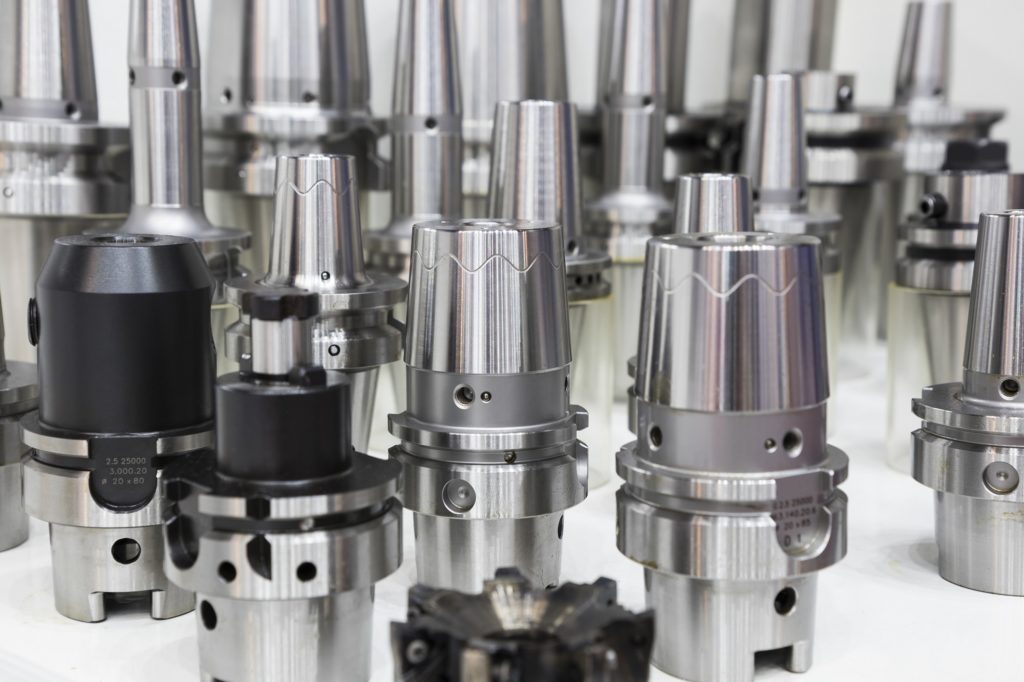
What Are CNC Tool Holders?
CNC tool holders are devices that secure cutting tools in the machine spindle. They provide rigidity, transfer torque from the spindle to the tool, and minimize vibration during high-speed operations. High-quality tool holders ensure precise alignment, consistent cutting performance, and longer tool life. CNC tool holders are essential for achieving accurate hole positions, flatness, and surface finish in modern machining.
Types of CNC Tool Holders
| Tool Holder Type | Typical Applications | Advantages | Notes |
|---|---|---|---|
| Collet Holder | Small to medium diameter tools | High grip accuracy, versatile | Widely used for general milling and drilling |
| Hydraulic Holder | High-precision milling | Excellent runout control, vibration reduction | Ideal for finishing operations at high spindle speeds |
| Shrink Fit Holder | High-speed operations | Superior concentricity, minimal runout | Requires heating for installation and removal |
| End Mill Holder | Milling operations | Simple, easy to use, supports larger diameter tools | Commonly used in CNC milling centers |
| Modular Holder | Multi-tool applications | Flexible, reduces tool change time | Compatible with various tool shanks and types |
| Milling Chuck | Heavy-duty milling | High clamping force, minimal slippage | Suitable for high-feed and large tool machining |
Each type offers unique advantages and is suited for specific machining tasks. Choosing the correct type based on application and tool size is crucial for optimal performance.
How CNC Tool Holders Improve Machining
Proper CNC tool holders contribute significantly to machining efficiency and quality:
- Reduced Runout: Accurate tool alignment minimizes chatter and vibration.
- Improved Tool Life: Stable clamping reduces premature wear.
- Better Surface Finish: Consistent cutting conditions produce smoother surfaces.
- Higher Feed Rates: Rigid holders allow more aggressive cutting without sacrificing accuracy.
- Consistent Tolerances: Precision holders maintain dimensional accuracy over long production runs.
Material and Design Considerations
High-quality CNC tool holders are usually made from hardened steel, stainless steel, or alloy materials. Coatings and surface treatments may enhance corrosion resistance, wear resistance, and reduce friction. Key considerations include:
- Hardness: Ensure the holder can withstand high cutting forces.
- Rigidity: Short overhang and strong clamping reduce deflection.
- Balance: Properly balanced holders reduce spindle vibration at high RPMs.
- Runout Tolerance: Low runout holders (<0.005 mm) improve tool performance, especially in micro-machining.
Tool Holder Selection Criteria
When selecting a CNC tool holder, consider the following:
- Tool Type and Size: Ensure compatibility with end mills, drills, or other tools.
- Spindle Interface: Match the holder with your machine spindle type, e.g., CAT, BT, HSK.
- Machining Operation: Choose holders suitable for roughing, finishing, or multi-axis operations.
- Precision Requirements: Select holders with appropriate tolerances for high-accuracy work.
- Material Being Machined: Hard metals may require high-rigidity holders to prevent vibration.
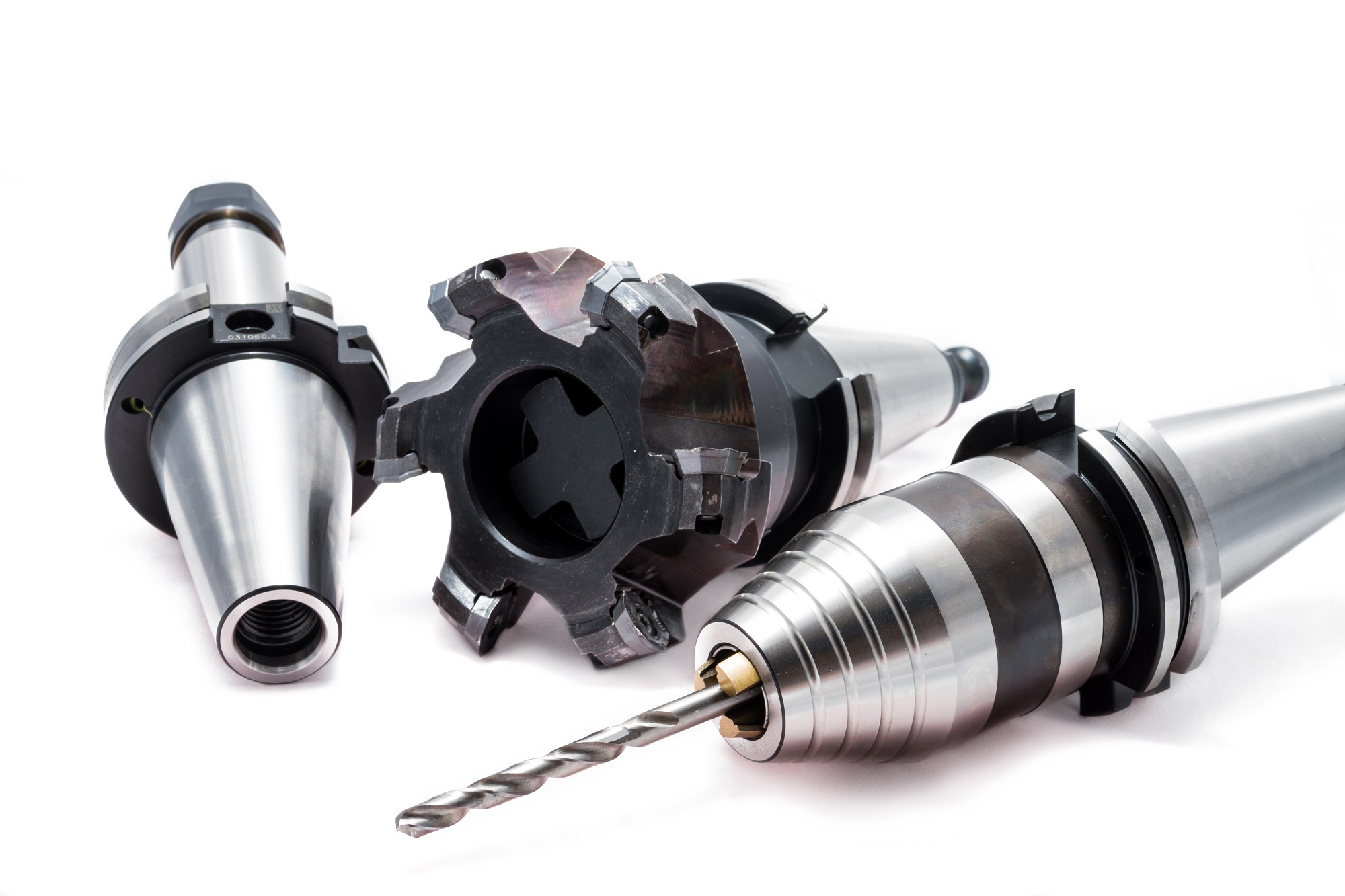
Feed, Speed, and Clamping Recommendations
| Tool Holder | Recommended Spindle Speed | Feed Rate | Notes |
|---|---|---|---|
| Collet Holder | Up to 10,000 RPM | 0.05–0.15 mm/rev | Suitable for small to medium tools |
| Hydraulic Holder | Up to 20,000 RPM | 0.05–0.20 mm/rev | Excellent for finishing operations |
| Shrink Fit Holder | Up to 25,000 RPM | 0.05–0.25 mm/rev | High precision, minimal runout |
| End Mill Holder | Up to 12,000 RPM | 0.03–0.15 mm/rev | Supports larger diameter tools |
| Milling Chuck | Up to 8,000 RPM | 0.05–0.20 mm/rev | Ideal for heavy-duty cutting |
Maintenance and Best Practices
Regular maintenance ensures reliable performance of CNC tool holders:
- Clean holders after each operation to remove chips, coolant, and debris.
- Inspect holders for wear, corrosion, or cracks.
- Store holders in racks or protective cases to avoid damage.
- Apply proper torque when securing tools.
- Avoid excessive overhang to reduce vibration and tool deflection.
- Replace worn or damaged holders promptly.
Common Problems and Solutions
| Problem | Cause | Solution |
|---|---|---|
| Chatter during milling | Loose holder or overhang | Re-clamp, reduce overhang, check spindle |
| Poor surface finish | Vibration or worn holder | Use high-rigidity holder, inspect tool condition |
| Tool breakage | Incorrect holder or over-torque | Match holder to tool size, apply correct torque |
| Inconsistent dimensions | Runout or spindle misalignment | Select precision holder, balance spindle |
| Holder wear | Improper maintenance or overuse | Clean regularly, inspect, replace worn parts |
Advanced Tips for CNC Tool Holder Optimization
- Use shrink-fit or hydraulic holders for high-speed finishing to minimize runout.
- Shorten tool overhang as much as possible for increased rigidity.
- Implement regular runout checks to maintain machining accuracy.
- Optimize toolpaths in CNC programming to reduce abrupt tool movements.
- Match holder type to material being machined to reduce vibration and improve surface finish.
Conclusion
CNC tool holders are essential for achieving precision, stability, and efficiency in modern machining. Proper selection, maintenance, and operation of tool holders enhance tool life, improve surface finish, and increase overall productivity. For high-quality CNC tool holders and expert support, contact Shandong Tool to optimize your machining operations and achieve consistent results.
FAQ
What are CNC tool holders used for?
They secure cutting tools in the spindle, ensuring precision, reducing vibration, and improving tool life.
How do I choose the right CNC tool holder?
Select based on tool type, spindle interface, machining operation, and required precision.
Can tool holders affect tool performance?
Yes, poor holders cause vibration, reduced accuracy, and shortened tool life.
How should CNC tool holders be maintained?
Clean after each use, inspect for wear or damage, store properly, and use correct torque.
Which holders are best for high-speed CNC milling?
Shrink-fit and hydraulic holders offer excellent runout control and high-speed stability.


 English
  Russian
  German