

Table of Contents
Introduction
Manufacturers are constantly looking for ways to increase productivity while controlling tooling costs. One of the most effective methods is improving material removal rates without compromising machining stability or tool life. This is exactly where the high feed milling cutter excels.
In modern CNC machining, cycle time often determines profitability. The faster material can be removed while maintaining quality standards, the more competitive a manufacturer becomes. High feed milling cutters are specifically designed to maximize metal removal rates through optimized cutting geometry, allowing higher feed rates than conventional milling tools.
From aerospace components and mold manufacturing to automotive parts and heavy equipment production, high feed milling cutters have become a preferred solution for roughing and semi-finishing operations.
This guide explains how high feed milling cutters work, their advantages, applications, selection criteria, and how they can help manufacturers improve efficiency while reducing overall machining costs.
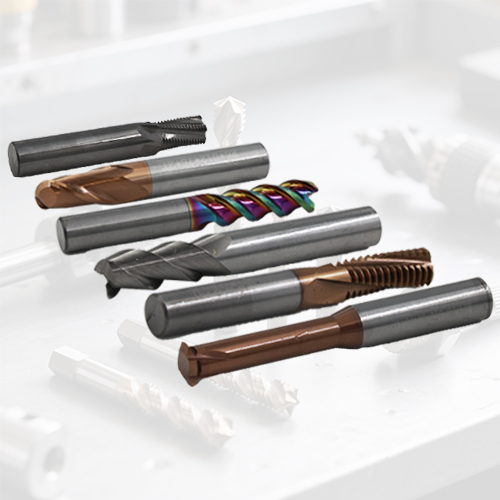
What Is a High Feed Milling Cutter?
A high feed milling cutter is a specialized cutting tool designed to operate with extremely high feed rates while maintaining relatively shallow depths of cut.
Unlike conventional milling cutters that rely on deeper axial engagement, high feed milling cutters use a unique insert geometry that directs cutting forces toward the spindle. This reduces radial cutting pressure and improves machining stability.
The result is a machining process capable of removing large amounts of material quickly while reducing vibration and extending tool life.
Because of this design, high feed milling cutters are widely used in roughing applications where productivity is a primary objective.
Why Are High Feed Milling Cutters Becoming More Popular?
Manufacturers face increasing pressure to reduce production costs and shorten delivery times.
Traditional milling strategies often reach a limit where increasing speed leads to excessive tool wear or unstable machining conditions.
High feed milling cutters solve this challenge by allowing significantly higher feed rates without increasing cutting forces proportionally.
This approach delivers several benefits:
- Faster machining cycles
- Improved machine utilization
- Better tool life
- Reduced vibration
- Lower cost per component
As manufacturers focus more on productivity and automation, demand for high feed milling cutters continues to grow.
How Do High Feed Milling Cutters Increase Productivity?
The primary advantage of a high feed milling cutter lies in its ability to maintain stable cutting conditions at extremely high feed rates.
The insert geometry produces thinner chips, allowing the cutter to move through material faster while controlling heat generation.
Instead of relying on deep cuts, the tool removes material through speed and feed optimization.
This strategy enables manufacturers to:
- Increase table feed dramatically
- Reduce overall machining time
- Maintain stable spindle loads
- Improve process consistency
For many applications, productivity improvements of 30% to 70% are achievable compared to conventional roughing methods.
Which Industries Benefit Most from High Feed Milling Cutters?
High feed milling cutters are widely used across multiple industries.
Aerospace Manufacturing
Aircraft components often involve difficult-to-machine materials such as titanium and high-temperature alloys.
High feed milling cutters help reduce machining time while maintaining process stability.
Mold and Die Manufacturing
Large mold bases and cavity roughing operations benefit significantly from high feed milling strategies.
The ability to remove material quickly shortens overall mold production cycles.
Automotive Production
Automotive suppliers use high feed milling cutters to improve throughput and reduce tooling costs.
Heavy Equipment Manufacturing
Large steel components often require extensive rough machining.
High feed milling cutters help accelerate these operations while reducing machine stress.
General CNC Job Shops
Job shops processing a variety of materials can improve productivity across multiple projects by adopting high feed milling technology.
What Makes High Feed Milling Cutters Different from Conventional Milling Cutters?
Although both tools perform milling operations, there are important differences.
| Feature | High Feed Milling Cutter | Conventional Milling Cutter |
|---|---|---|
| Feed Rate | Very High | Moderate |
| Depth of Cut | Shallow | Medium to Deep |
| Material Removal Rate | High | Medium |
| Tool Life | Excellent | Good |
| Vibration Resistance | High | Moderate |
| Productivity | Very High | Standard |
This comparison demonstrates why high feed milling cutters are increasingly replacing traditional roughing tools in modern production environments.
How Should You Choose the Right High Feed Milling Cutter?
Selecting the correct cutter requires evaluating several machining factors.
Workpiece Material
Different materials require different insert grades and coatings.
For example:
- Stainless steel
- Titanium
- Alloy steel
- Tool steel
- Cast iron
- Aluminum
all require specific insert configurations.
Machine Capability
Machine rigidity and spindle power influence cutter selection.
High feed milling cutters perform best on stable CNC machining centers capable of maintaining consistent feed rates.
Component Geometry
Part accessibility and cavity design affect cutter diameter selection.
Smaller cutters may provide better access, while larger cutters maximize material removal rates.
Production Volume
High-volume manufacturing often justifies investment in premium tooling solutions that maximize productivity.
Which Insert Grades and Coatings Work Best?
Insert technology plays a major role in cutter performance.
Common coating options include:
| Coating | Application |
|---|---|
| TiN | General machining |
| TiCN | Improved wear resistance |
| TiAlN | High-temperature machining |
| AlTiN | Stainless steel and alloy machining |
| Nano Composite Coatings | Premium performance applications |
Modern coatings help improve wear resistance, heat control, and overall tool life.

What Are the Most Common Problems During High Feed Milling?
Excessive Tool Wear
Often caused by incorrect cutting parameters or unsuitable insert grades.
Chatter and Vibration
Usually linked to poor machine rigidity or excessive tool overhang.
Insert Chipping
May result from interrupted cuts or incorrect feed settings.
Poor Surface Finish
Can occur when cutters designed for roughing are used for finishing operations.
Proper tooling selection and parameter optimization help eliminate these issues.
How Can High Feed Milling Cutters Reduce Machining Costs?
Many manufacturers initially focus on tool purchase price.
However, the true cost of machining includes:
- Cycle time
- Tool life
- Machine utilization
- Labor cost
- Scrap rate
High feed milling cutters often lower total production costs by reducing machining time and improving process stability.
Even if the cutter itself costs more, the overall return on investment is frequently much higher.
Why Should Manufacturers Consider Custom High Feed Milling Cutters?
Standard cutters work well in many situations.
However, manufacturers with unique materials, complex components, or specialized production requirements often benefit from custom tooling.
Custom high feed milling cutters can be optimized for:
- Specific materials
- Machine capabilities
- Component geometry
- Production volume
- Surface finish requirements
This often results in better productivity and longer tool life.
FAQ
What is a high feed milling cutter used for?
High feed milling cutters are primarily used for roughing and semi-finishing operations where high material removal rates are required.
Can high feed milling cutters machine stainless steel?
Yes. With the correct insert grade and coating, they perform very well in stainless steel.
Why do high feed milling cutters use shallow depths of cut?
The geometry is designed to maximize feed rates while maintaining stable cutting forces.
Are high feed milling cutters suitable for small CNC machines?
They can be used on smaller machines, but performance is best on rigid machining centers.
Do high feed milling cutters improve tool life?
In many applications, yes. Their geometry reduces cutting pressure and improves stability.
Conclusion
High feed milling cutters have become one of the most effective solutions for increasing machining productivity in modern CNC manufacturing. Their ability to achieve high material removal rates while maintaining stability and tool life makes them a valuable investment for manufacturers seeking competitive advantages.
At Shandong Tool, we provide high-performance high feed milling cutters, carbide inserts, custom milling solutions, and technical support for manufacturers worldwide. Whether you are machining steel, stainless steel, titanium, or specialty alloys, our engineering team can help you select the ideal tooling solution for maximum productivity and profitability.
Contact us today to discuss your application and receive professional tooling recommendations.


 English
 Russian
 German