

Table of Contents
Introduction
Solid carbide drill bits are essential tools in modern CNC machining, especially for manufacturers that require high precision, fast drilling speeds, and long tool life. Compared with traditional high-speed steel drills, solid carbide drill bits provide significantly better wear resistance, thermal stability, and dimensional consistency.
As production efficiency becomes increasingly important in industries such as automotive manufacturing, aerospace machining, mold production, medical devices, and precision engineering, more manufacturers are upgrading from conventional drills to solid carbide drill bits to improve machining performance and reduce overall production cost.
This guide explains everything you need to know about solid carbide drill bits, including drill structure, coatings, flute geometry, application selection, machining parameters, common drilling problems, and maintenance best practices. Whether you are drilling stainless steel, aluminum, titanium, or hardened materials, this article will help you select the right solid carbide drill bit for your application.
What Are Solid Carbide Drill Bits?
Solid carbide drill bits are drilling tools manufactured entirely from carbide material instead of high-speed steel or replaceable insert systems. Carbide is significantly harder and more heat-resistant than HSS, allowing the drill to maintain cutting performance under high-speed machining conditions.
Unlike standard drills, solid carbide drill bits are engineered for stable CNC drilling, high positional accuracy, and superior hole quality. Their rigid structure minimizes deflection, improves concentricity, and allows deeper drilling with excellent repeatability.

Why Manufacturers Prefer Solid Carbide Drill Bits
Modern production environments demand higher spindle speeds, tighter tolerances, and lower downtime. Solid carbide drill bits meet these requirements through improved rigidity and wear resistance.
Manufacturers choose solid carbide drill bits because they offer:
- Longer tool life compared with HSS drills
- Higher drilling speeds and feed rates
- Better hole accuracy and surface finish
- Reduced machine downtime
- Stable performance in high-volume production
- Lower cost per hole over long production cycles
Although carbide drills have a higher initial cost, their performance advantages usually reduce total machining cost significantly.
Solid Carbide Drill Bit Structure
Point Geometry
The drill point determines cutting efficiency and chip formation. Different point angles are optimized for different materials.
- 118° point angle: General-purpose drilling
- 135° split point: Stainless steel and harder materials
- Specialized geometry: Deep-hole or high-feed drilling
A properly designed point geometry reduces cutting pressure and improves drilling stability.
Flute Design
Flutes evacuate chips from the hole during drilling. Solid carbide drill bits often feature polished flutes to reduce friction and improve chip flow.
For aluminum machining, wider flutes help prevent chip packing. For steel and stainless steel, optimized flute geometry balances rigidity and chip evacuation.
Margin Design
Margins stabilize the drill inside the hole and improve hole accuracy. Precision-ground margins reduce vibration and maintain dimensional consistency.
Coolant Channels
Many solid carbide drill bits include internal coolant holes that deliver coolant directly to the cutting edge. This improves heat control, chip evacuation, and tool life during deep-hole drilling.
Types of Solid Carbide Drill Bits
General Purpose Solid Carbide Drill Bits
These drills are suitable for a wide range of materials, including mild steel, alloy steel, and aluminum. They provide balanced performance for standard production applications.
Solid Carbide Drill Bits for Stainless Steel
Stainless steel requires specialized drill geometry and coatings due to heat buildup and work hardening. These drills typically feature reinforced cutting edges and high-heat-resistant coatings.
High-Speed Solid Carbide Drill Bits
Designed for aggressive machining parameters, these drills support high spindle speeds and feed rates in automated CNC production environments.
Deep Hole Solid Carbide Drill Bits
Deep-hole drills feature optimized flute design and coolant delivery systems for stable drilling at high depth-to-diameter ratios.
Micro Solid Carbide Drill Bits
Micro drills are used for extremely small holes in electronics, medical devices, and precision engineering applications. They require ultra-high precision and machine stability.
Solid Carbide Drill Bit Comparison Table
| Drill Type | Main Application | Hole Accuracy | Tool Life | Speed Capability | Typical Materials |
|---|---|---|---|---|---|
| General Purpose | Standard drilling | High | Medium-High | Medium | Steel, aluminum |
| Stainless Steel Drill | Tough materials | Very High | High | Medium-High | Stainless steel |
| High-Speed Drill | Mass production | High | High | Very High | Steel, alloys |
| Deep Hole Drill | Deep drilling | Very High | High | Medium | Hardened materials |
| Micro Drill | Precision holes | Extremely High | Medium | High | Electronics, medical |
This table helps manufacturers quickly compare solid carbide drill bit types for different machining requirements.
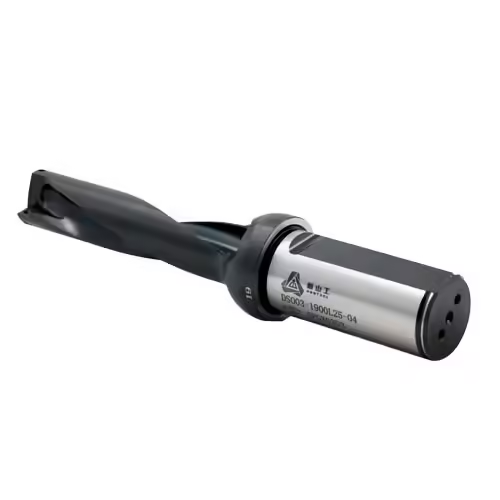
Choosing the Right Solid Carbide Drill Bits
Consider the Workpiece Material
Different materials generate different cutting temperatures and chip behaviors. Aluminum requires polished flutes and anti-adhesion coatings, while stainless steel demands stronger edge preparation and heat-resistant coatings.
Select Proper Coating
Coatings significantly affect drill performance and tool life. Common coatings include:
- TiN: General-purpose wear resistance
- TiAlN: High-temperature stability
- AlTiN: Excellent for stainless steel and dry machining
- Diamond coating: Best for composites and abrasive non-ferrous materials
Match Drill Length to Application
Longer drills allow deeper holes but reduce rigidity. Use the shortest possible drill length to improve stability and accuracy.
Evaluate Coolant Requirements
Deep-hole drilling and high-speed machining benefit greatly from internal coolant delivery. Proper coolant flow improves chip evacuation and reduces thermal damage.
Common Drilling Problems and Solutions
Drill Wear
Excessive heat or incorrect cutting speed causes rapid wear. Using coated solid carbide drill bits and optimized parameters extends tool life.
Poor Hole Accuracy
Vibration or tool deflection reduces hole quality. Shorter drills and rigid tool holders improve accuracy.
Chip Packing
Improper chip evacuation leads to broken drills and poor finish. Selecting optimized flute geometry and coolant delivery solves this issue.
Drill Breakage
Excessive feed rate or unstable machine setup causes breakage. Correct cutting parameters and stable fixturing are essential.
Best Practices for Using Solid Carbide Drill Bits
- Use rigid machine setups and quality tool holders
- Optimize spindle speed and feed rate according to material
- Apply proper coolant flow for heat management
- Minimize drill overhang whenever possible
- Inspect drills regularly for wear or chipping
- Replace worn drills before catastrophic failure occurs
These practices significantly improve drilling stability and reduce production downtime.
Benefits of High-Quality Solid Carbide Drill Bits
Using premium solid carbide drill bits improves machining efficiency, reduces cycle time, enhances hole consistency, and lowers long-term tooling cost.
For manufacturers competing in precision industries, high-quality drills provide both technical and commercial advantages.
FAQ
What are solid carbide drill bits used for?
Solid carbide drill bits are used for high-precision CNC drilling in steel, stainless steel, aluminum, titanium, and hardened materials.
Why are carbide drills better than HSS drills?
Carbide drills offer better hardness, heat resistance, higher cutting speed capability, and longer tool life.
Do solid carbide drill bits require coolant?
Coolant is highly recommended, especially for deep-hole drilling and stainless steel machining.
What coating is best for stainless steel drilling?
TiAlN and AlTiN coatings perform very well in stainless steel due to their heat resistance.
How can I extend carbide drill life?
Use proper cutting parameters, coolant, rigid setups, and replace drills before excessive wear occurs.
Conclusion
Solid carbide drill bits are essential for achieving high-speed, high-precision CNC drilling performance. By selecting the correct geometry, coating, flute design, and drilling parameters, manufacturers can improve tool life, reduce machining cost, and achieve consistent hole quality.
At Shandong Tool, we provide high-performance solid carbide drill bits for a wide range of industrial applications, including stainless steel machining, aluminum drilling, precision production, and high-speed CNC operations. Contact our technical team today to find the ideal drilling solution for your manufacturing needs.


 English
 Russian
 German