

Table of Contents
Introduction
Solid carbide drill bits are essential tools in modern CNC machining, designed to deliver high precision, excellent wear resistance, and superior performance across a wide range of materials. Compared to traditional high-speed steel drills, solid carbide drill bits offer significantly higher cutting speeds, improved hole quality, and longer tool life.
As industries demand tighter tolerances and higher productivity, selecting the right solid carbide drill bits becomes critical. This guide provides a comprehensive overview of drill types, materials, coatings, applications, and best practices to help manufacturers optimize drilling performance and reduce operational costs.

Why Choose Solid Carbide Drill Bits
Solid carbide drill bits are engineered for demanding machining environments where precision and efficiency are essential. Their superior hardness and heat resistance allow them to maintain cutting performance under high-speed and high-temperature conditions.
Key advantages include higher cutting speeds, reduced tool wear, improved hole accuracy, and consistent performance in automated CNC operations. These benefits make them ideal for industries such as aerospace, automotive, mold manufacturing, and general engineering.
Types of Solid Carbide Drill Bits
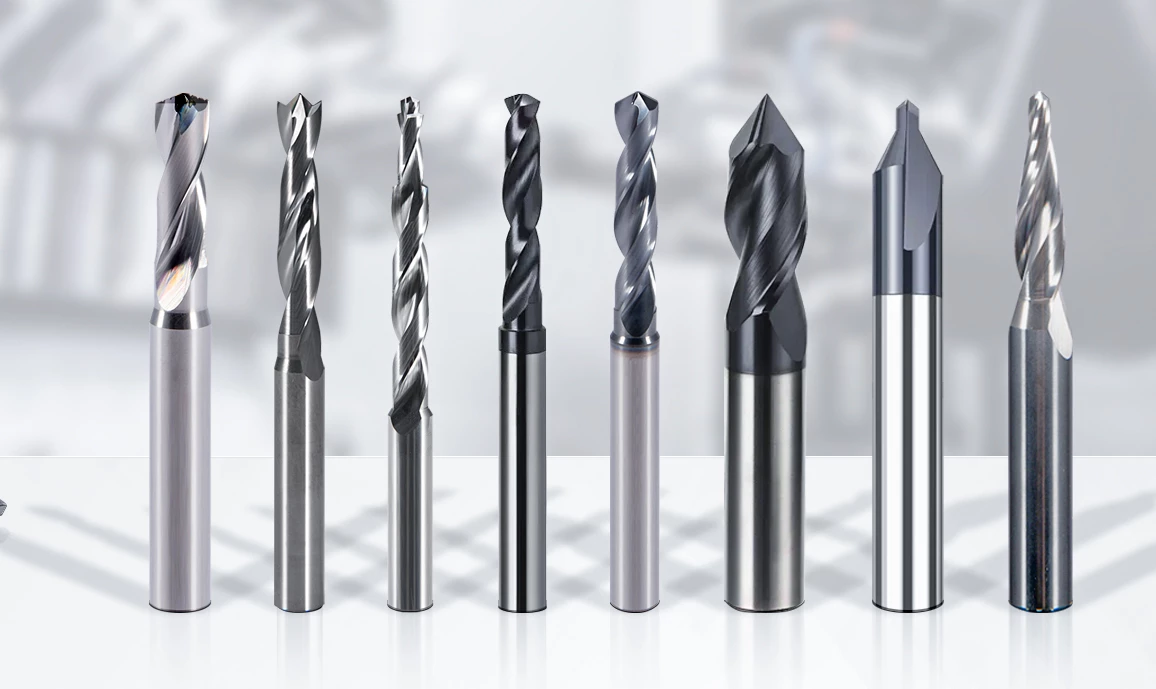
Standard Twist Drill Bits
Standard solid carbide twist drill bits are used for general-purpose drilling in steel, aluminum, and non-ferrous materials. They offer a balance between performance and cost, making them suitable for a wide range of applications.
Through-Coolant Drill Bits
Through-coolant drill bits feature internal channels that deliver coolant directly to the cutting edge. This design improves heat dissipation, enhances chip evacuation, and increases tool life, especially in deep hole drilling.
Micro Drill Bits
Micro solid carbide drill bits are designed for precision drilling of small holes, often used in electronics, medical devices, and fine engineering applications. They require high spindle speeds and precise control.
Step Drill Bits
Step drill bits allow multiple hole diameters to be drilled in a single operation. They are useful in reducing tool changes and improving machining efficiency.
High-Performance Drill Bits
These drills feature advanced geometries and coatings optimized for specific materials such as stainless steel, titanium, and hardened steel. They provide superior performance in demanding conditions.
Solid Carbide Drill Bit Comparison Table
| Drill Type | Application | Material Compatibility | Cooling Method | Accuracy | Tool Life |
|---|---|---|---|---|---|
| Standard Twist Drill | General drilling | Steel, aluminum | External | High | Medium |
| Through-Coolant Drill | Deep hole drilling | Steel, stainless | Internal | Very High | Long |
| Micro Drill | Precision small holes | Electronics, medical | External | Extremely High | Medium |
| Step Drill | Multi-diameter holes | Sheet metal, aluminum | External | High | Medium |
| High-Performance Drill | Difficult materials | Stainless, titanium | Internal/External | Very High | Very Long |
This table provides a quick reference for selecting the right solid carbide drill bits based on application and performance requirements.
Key Features of Solid Carbide Drill Bits
High Hardness and Wear Resistance
Carbide materials provide excellent hardness, allowing drills to maintain sharp cutting edges for longer periods.
Heat Resistance
Solid carbide drill bits can withstand high temperatures without losing hardness, enabling high-speed drilling.
Precision Geometry
Optimized point angles, flute designs, and cutting edges improve hole accuracy and surface finish.
Advanced Coatings
Coatings such as TiAlN, AlTiN, and diamond-like coatings reduce friction, improve heat resistance, and extend tool life.
How to Choose the Right Solid Carbide Drill Bits
Consider Workpiece Material
Different materials require specific drill geometries and coatings. For example, aluminum requires sharp edges and good chip evacuation, while stainless steel needs heat-resistant coatings.
Evaluate Hole Depth
Deep hole drilling requires through-coolant drill bits for efficient chip removal and temperature control.
Select Proper Coating
Choose coatings based on cutting conditions. TiAlN and AlTiN are suitable for high-temperature applications, while uncoated or polished tools are ideal for aluminum.
Match Machine Capability
Ensure your CNC machine can support the required spindle speed, feed rate, and coolant system for optimal performance.
Optimize Cost per Hole
While solid carbide drill bits have a higher upfront cost, their longer tool life and higher productivity reduce overall cost per hole.
Common Drilling Challenges and Solutions
Poor Hole Quality
Caused by incorrect geometry or worn tools. Solution: use high-quality carbide drills and maintain sharp edges.
Chip Clogging
Occurs in deep holes or soft materials. Solution: use through-coolant drills and proper chip evacuation strategies.
Tool Breakage
Often due to excessive feed rate or misalignment. Reduce cutting load and ensure proper tool alignment.
Excessive Heat
Caused by insufficient cooling. Use internal coolant systems or adjust cutting parameters.
Best Practices for Using Solid Carbide Drill Bits
- Use proper cutting speeds and feed rates based on material
- Ensure rigid setup to minimize vibration
- Apply coolant effectively for heat control
- Monitor tool wear regularly
- Replace drills before failure to avoid damage to workpieces
Advantages of Using Solid Carbide Drill Bits
- High precision and repeatability
- Longer tool life compared to HSS drills
- Faster machining speeds and improved productivity
- Better surface finish and dimensional accuracy
- Reduced downtime and tool changes
FAQ
What are solid carbide drill bits used for?
They are used for high-precision drilling in metals, composites, and engineering materials.
Are carbide drill bits better than HSS?
Yes, they offer higher hardness, longer tool life, and better performance in CNC machining.
When should I use through-coolant drills?
For deep hole drilling or when heat and chip evacuation are critical.
Can carbide drill bits be used for aluminum?
Yes, with proper geometry and coating for chip evacuation.
How do I extend drill bit life?
Use correct cutting parameters, proper cooling, and regular inspection.
Conclusion
Solid carbide drill bits are a critical investment for manufacturers seeking precision, efficiency, and reliability in CNC drilling operations. By selecting the right drill type, coating, and parameters, businesses can significantly improve productivity and reduce machining costs.
At Shandong Tool, we offer high-performance solid carbide drill bits tailored for various materials and applications. Our expert team is ready to help you choose the best drilling solution to meet your production goals. Contact us today to enhance your machining performance and achieve superior results.


 English
  Russian
  German