

Table of Contents
Introduction
Drill bit materials are a decisive factor in drilling performance, hole accuracy, and production efficiency. In many machining operations, drilling issues such as premature wear, inconsistent hole size, excessive heat, or tool breakage are often traced back to incorrect drill bit materials rather than improper cutting parameters. As modern manufacturing continues to demand higher speeds, tighter tolerances, and greater process stability, understanding drill bit materials has become essential for engineers, machinists, and production managers.
This article provides a complete and practical guide to drill bit materials, explaining their properties, performance behavior, and how to select the right material for different drilling applications.
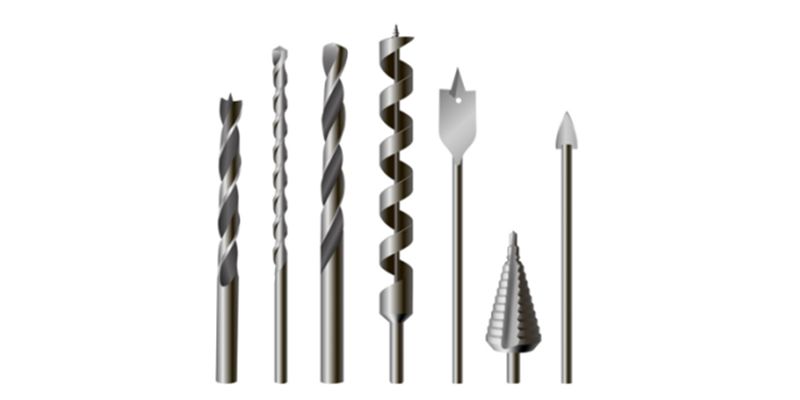
Why Drill Bit Materials Matter
During drilling, the cutting edge is subjected to constant friction, axial force, and high temperatures. Drill bit materials determine how well the tool maintains hardness, resists wear, and absorbs mechanical stress.
If drill bit materials are not properly matched to the workpiece or machine conditions, problems such as rapid edge wear, oversized holes, poor surface finish, or sudden tool failure can occur. Selecting suitable drill bit materials improves tool life, ensures stable hole quality, and reduces overall machining costs.
High-Speed Steel Drill Bit Materials
High-speed steel remains one of the most widely used drill bit materials due to its toughness, versatility, and cost-effectiveness. HSS drill bits can tolerate fluctuating feed rates, minor misalignment, and interrupted cuts without catastrophic failure.
These drill bit materials are suitable for drilling mild steel, aluminum, plastics, and wood. Their flexibility makes them ideal for manual drilling, maintenance work, and machines with limited rigidity. In addition, high-speed steel drill bit materials are easy to resharpen, which further reduces tooling costs.
However, their heat resistance is limited, making them less suitable for high-speed or continuous drilling in harder materials.
Cobalt Alloy Drill Bit Materials
Cobalt drill bit materials are produced by alloying high-speed steel with cobalt, significantly improving hardness and heat resistance. This allows the cutting edge to maintain strength at elevated temperatures, reducing wear during demanding operations.
Cobalt drill bit materials are commonly used for stainless steel, alloy steel, and materials prone to work hardening. They perform well in continuous drilling operations where heat accumulation is unavoidable.
Compared with standard HSS, cobalt drill bit materials offer longer tool life but reduced toughness. Stable cutting conditions and proper alignment are important to prevent edge chipping.
Solid Carbide Drill Bit Materials
Solid carbide drill bit materials offer the highest level of performance for precision drilling. Tungsten carbide provides exceptional hardness, wear resistance, and thermal stability, making these tools ideal for high-speed CNC machining.
Carbide drill bit materials are widely used for hardened steels, cast iron, and abrasive alloys. They deliver excellent hole accuracy, surface quality, and repeatability in automated production environments.
However, solid carbide is more brittle than steel-based materials. These drill bit materials require rigid machines, accurate tool holders, and controlled feed rates to avoid chipping or breakage.
Coated Drill Bit Materials
Coatings play an important role in enhancing drill bit materials. Common coatings reduce friction, improve heat resistance, and protect the cutting edge from wear.
High-speed steel and cobalt drill bit materials benefit greatly from coatings, especially in high-speed or dry drilling applications. Coated drill bit materials often achieve significantly longer tool life compared to uncoated tools.
For carbide drill bit materials, coatings further improve wear resistance and cutting stability, particularly in high-volume production.
Comparison of Common Drill Bit Materials
| Drill Bit Materials | Heat Resistance | Wear Resistance | Toughness | Typical Applications |
|---|---|---|---|---|
| High-Speed Steel | Medium | Medium | High | General drilling, soft metals, wood |
| Cobalt Alloy | High | High | Medium | Stainless steel, alloy steel |
| Solid Carbide | Very High | Very High | Low | CNC machining, hardened materials |
| Coated HSS | High | High | Medium | High-speed metal drilling |
This comparison highlights how different drill bit materials perform under various machining conditions and helps guide proper selection.
Drill Bit Materials and Heat Control
Heat generation is a major factor influencing drill bit performance. High-speed steel drill bit materials gradually lose hardness as temperature rises, while cobalt drill bit materials maintain cutting ability at higher temperatures.
Solid carbide drill bit materials are extremely heat-resistant but sensitive to thermal shock. Inconsistent cooling or sudden temperature changes can lead to microcracks. Understanding how drill bit materials react to heat helps operators select appropriate speeds, feeds, and cooling strategies.
Chip Formation and Drill Bit Materials
Chip formation is closely related to drill bit materials and cutting geometry. Properly selected drill bit materials produce controlled chips that evacuate smoothly through the flutes.
High-speed steel drill bit materials often produce longer chips in softer materials. Cobalt drill bit materials improve chip control when drilling tough alloys. Solid carbide drill bit materials maintain stable chip formation even at high feed rates, making them suitable for automated CNC drilling.
Drill Bit Materials and Hole Quality
Hole quality depends on the rigidity and stability of drill bit materials. Insufficient stiffness can cause tool deflection, leading to poor roundness, oversized holes, or surface damage.
Carbide drill bit materials provide superior dimensional stability and are preferred for precision applications. Cobalt drill bit materials offer reliable accuracy for industrial drilling, while high-speed steel drill bit materials are suitable for general-purpose holes with moderate tolerance requirements.
Tool Life and Cost Efficiency
Selecting drill bit materials based only on initial price often increases long-term costs. Tool life, machining speed, and downtime all affect cost per hole.
High-speed steel drill bit materials have low upfront cost but shorter service life. Cobalt drill bit materials offer a balance between durability and price. Solid carbide drill bit materials, although more expensive, often deliver the lowest cost per hole in high-volume production due to longer life and faster cutting speeds.
Machine Capability and Drill Bit Materials
Machine rigidity and spindle accuracy strongly influence drill bit material selection. High-speed steel and cobalt drill bit materials are more forgiving on older or less rigid machines.
Solid carbide drill bit materials require stable CNC machines capable of maintaining precise alignment and consistent feed rates. Matching drill bit materials to machine capability prevents unnecessary failures.
Best Practices for Selecting Drill Bit Materials
Match drill bit materials to workpiece hardness and abrasiveness
Consider machine rigidity and drilling method
Use appropriate cutting speeds and feeds
Apply coolant or lubrication when necessary
Monitor tool wear and replace tools before failure
FAQ
What are the most common drill bit materials?
High-speed steel, cobalt alloy, solid carbide, and coated drill bit materials are the most widely used.
Which drill bit materials are best for stainless steel?
Cobalt alloy and solid carbide drill bit materials provide better heat resistance and tool life.
Are solid carbide drill bit materials always the best choice?
They offer high performance but require rigid machines and stable cutting conditions.
Do coatings improve drill bit materials?
Yes, coatings reduce friction, increase heat resistance, and extend tool life.
How do I choose the right drill bit materials?
Selection should be based on workpiece material, machine capability, cutting speed, and production volume.
Conclusion
Drill bit materials are fundamental to drilling accuracy, efficiency, and cost control. From high-speed steel to cobalt alloy and solid carbide, each material offers specific advantages when properly applied. Understanding the behavior of drill bit materials under real machining conditions allows manufacturers to improve tool life, hole quality, and overall productivity.
For professional drilling solutions and technical support, contact Shandong Tool to find the drill bit materials best suited to your applications.


 English
  Russian
  German